Discover why panel-mounted surge protectors are essential for defending your home's smart appliances, HVAC systems, and electrical panels from damaging power surges.
If you have recently purchased new smart appliances or lived through a severe windstorm in the Inland Northwest, you might be asking: is a whole house surge protector worth it? The short answer is yes. For a fraction of the cost of replacing your home's electronics, a panel-mounted surge protection device (SPD) defends your entire electrical system against external grid spikes and internal motor transients. In fact, modern electrical codes now mandate their installation during service upgrades.
As our homes become increasingly reliant on sensitive circuit boards, understanding how to protect that investment is critical. This guide explains how whole-home surge protection works, why local weather patterns make it necessary, and what the electrical code requires for homeowners in Washington and Idaho.
Key Takeaways
- A whole house surge protector defends hardwired appliances like HVAC systems, well pumps, and EV chargers that plug-in power strips cannot protect.
- Restoration surges—voltage spikes that occur when utility power returns after an outage—are a leading cause of fried circuit boards in the Inland Northwest.
- The National Electrical Code (NEC) now mandates whole-home surge protection when replacing or upgrading a dwelling's electrical service.
- Approximately 60% to 80% of power surges originate inside the home from large motors cycling on and off.
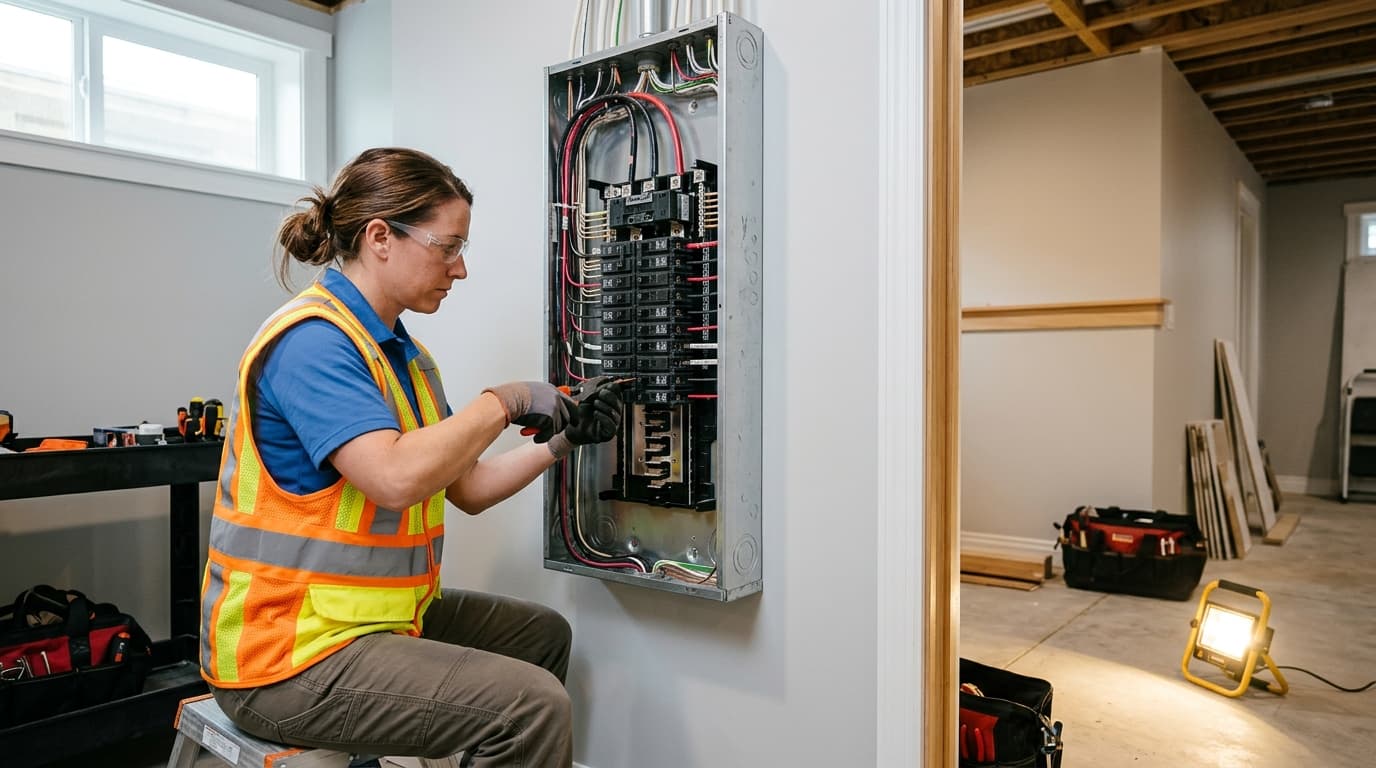
- Panel-mounted SPDs must be installed by a licensed electrician to ensure safety, proper grounding, and code compliance.
What is the difference between a surge strip and a panel-mounted surge protector?
When evaluating the surge protector vs surge protection device debate, it helps to understand the different tiers of protection. Most homeowners are familiar with the standard plug-in power strips found behind televisions and computers. While useful, these point-of-use devices are highly limited.
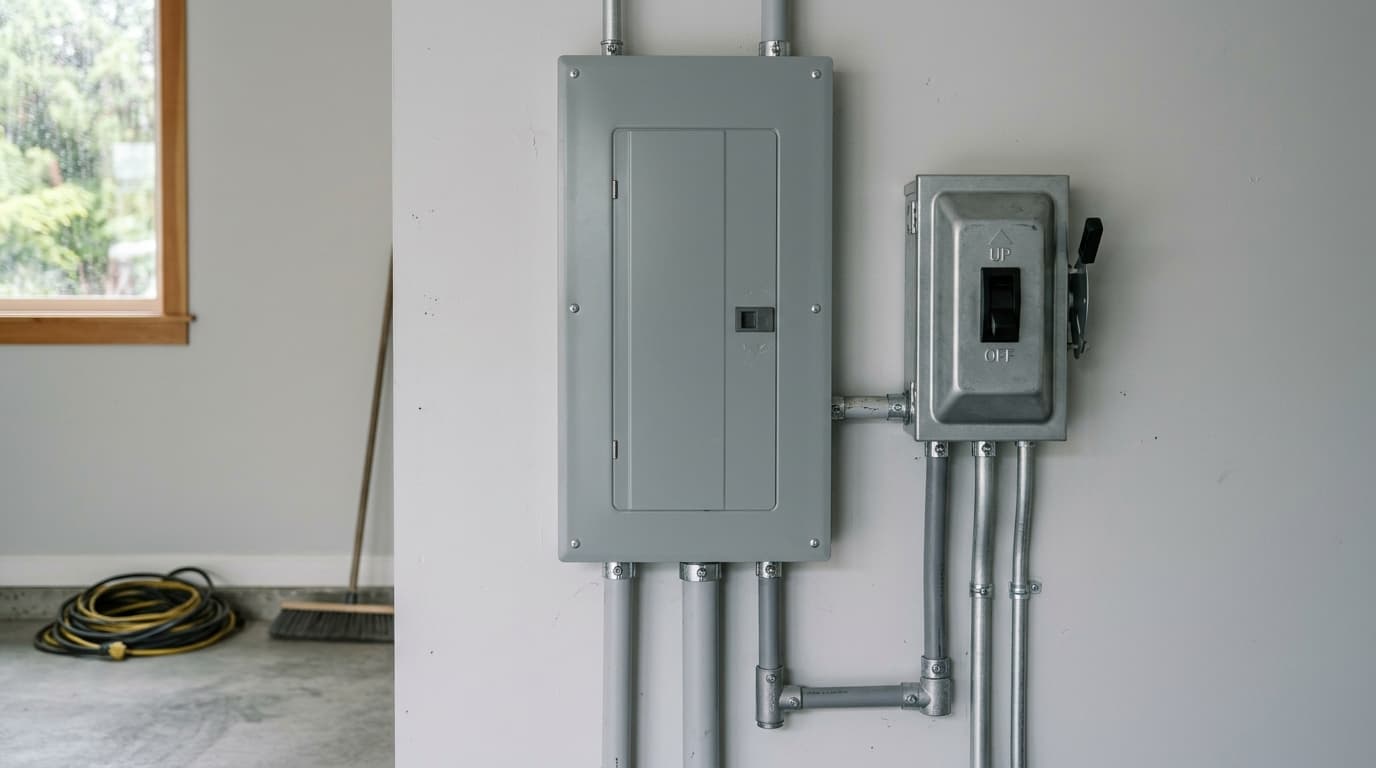
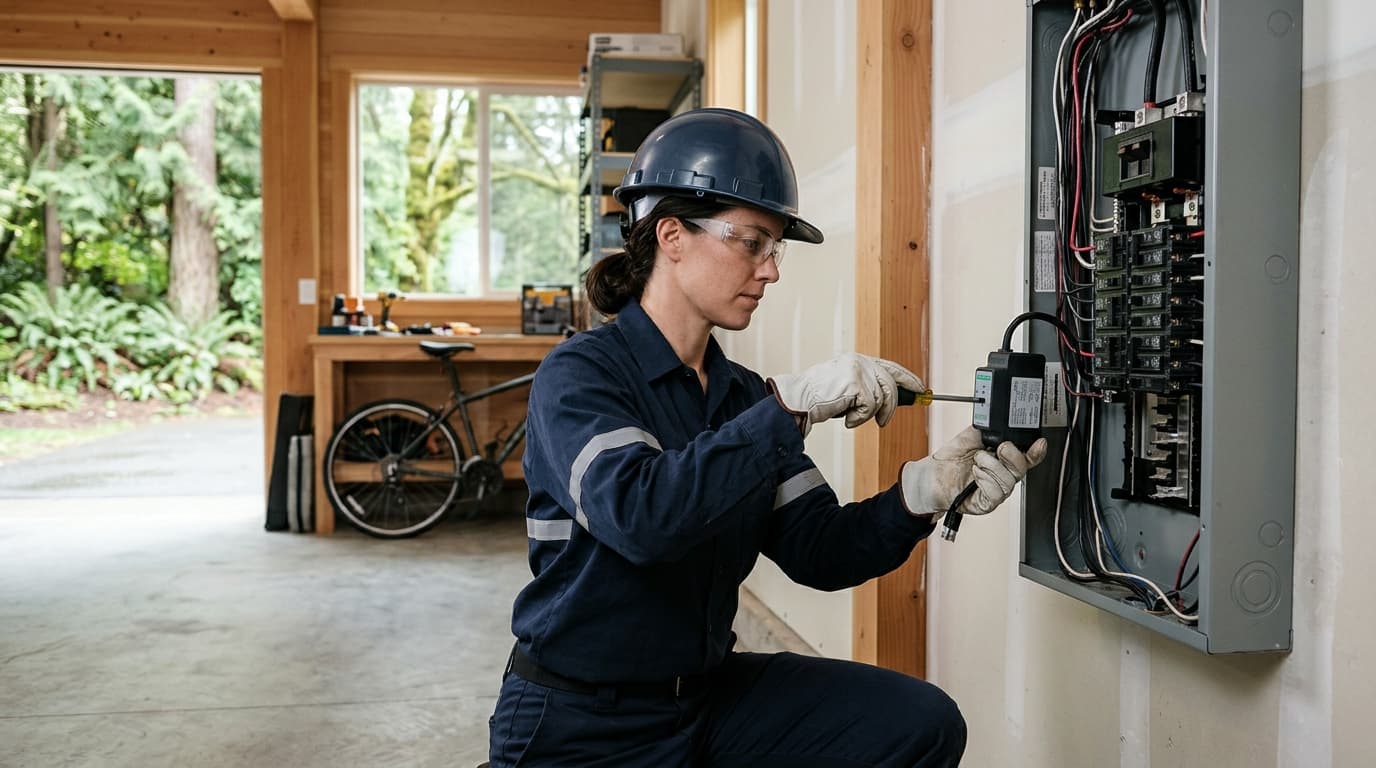
A whole house surge protector (classified as a Type 1 or Type 2 SPD) is installed directly at your main electrical panel or meter base. Instead of protecting a single outlet, it acts as a gatekeeper for your entire electrical system. When a voltage spike attempts to enter your home, the panel-mounted SPD detects the anomaly and safely shunts the excess voltage directly into the earth ground before it can reach your branch circuits.
| Feature | Plug-in Surge Strip (Type 3) | Whole House Surge Protector (Type 1 or 2) |
|---|---|---|
| Location | Plugged into a standard wall outlet | Hardwired directly at the electrical panel |
| What it Protects | Only the specific devices plugged into it | The entire home, including all hardwired systems |
| Capacity | Low (handles small, localized surges) | High (handles massive external and internal surges) |
| Hardwired Appliances | Cannot protect HVAC, ovens, or EV chargers | Protects all hardwired and plugged-in appliances |
| Lifespan | Typically 1 to 3 years (often fails silently) | Built to handle years of significant transient activity |
Because modern homes feature valuable hardwired equipment that cannot be plugged into a power strip—such as heat pumps, ductless mini-splits, electric ranges, and surge protection is the only way to shield these critical investments.
Does a power surge happen when electricity comes back on?
Yes, an electrical surge after power comes back on is one of the most common and destructive events for residential electrical systems. In the Inland Northwest, severe weather is a fact of life. November windstorms and heavy winter ice frequently bring massive ponderosa pine limbs down across overhead power lines, leaving neighborhoods in the dark.
The real danger to your appliances often occurs not when the power goes out, but exactly when it returns. When regional utilities restore power, the simultaneous re-energization of the grid and localized branch switching triggers a massive influx of electricity. This phenomenon is known as a restoration surge.
If your home's electronics and appliances are plugged in and idling when the grid is flipped back on, that sudden voltage spike rushes straight into their delicate circuit boards. Without a panel-mounted SPD to intercept and redirect that restoration surge, homeowners often find themselves replacing expensive refrigerator control boards, furnace igniters, and smart home hubs the day after a storm.
Is surge protection required by electrical code in Washington and Idaho?
If you are wondering, "do I need surge protection on my panel?" the answer is increasingly dictated by electrical safety codes. The National Electrical Code (NEC) has recognized the vulnerability of modern homes, prompting significant updates to residential building standards.
Specifically, NEC 230.67 surge protection mandates that all dwelling unit services supplying single-family, two-family, and multifamily dwellings be provided with a surge protective device (Type 1 or Type 2 SPD) when the electrical service is installed or replaced. This means if you are upgrading an old fuse box or increasing your home's amperage capacity, a whole-home SPD is no longer optional—it is required by law.
State Adoptions
Because electrical codes are enforced at the state level, it is important to know how these rules apply locally:
- Washington State: The Washington State Department of Labor & Industries (L&I) has adopted the 2023 NEC. This means any service change, panel replacement, or new dwelling construction in Washington must include a compliant surge protection device to pass inspection.
- Idaho: The Idaho Division of Occupational and Professional Licenses (DOPL) has also adopted the 2023 NEC, enforcing the same stringent surge protection requirements for homes across North Idaho.
Can a whole house surge protector protect my HVAC system and refrigerator?
Absolutely. In fact, protecting high-value, hardwired appliances is the primary reason why a whole house surge protector is worth it. According to the Electrical Safety Foundation International, the average modern American household contains over $15,000 worth of interconnected smart electronics, inverter-driven motors, and appliances with integrated circuit boards.
While lightning strikes and grid fluctuations are dangerous, industry data shows that 60% to 80% of transient electrical surges actually originate inside the home. Every time a large inductive load cycles on and off—such as your HVAC compressor, well pump, or refrigerator—it creates a brief but sharp electrical transient. Over time, these daily micro-surges degrade the microprocessors in your appliances, leading to premature failure.
A panel-mounted SPD captures these internal transients at the source, preventing your air conditioner from sending damaging voltage spikes to your smart TV or home office equipment on a shared electrical system.
Do I need surge protection if I have a backup generator?
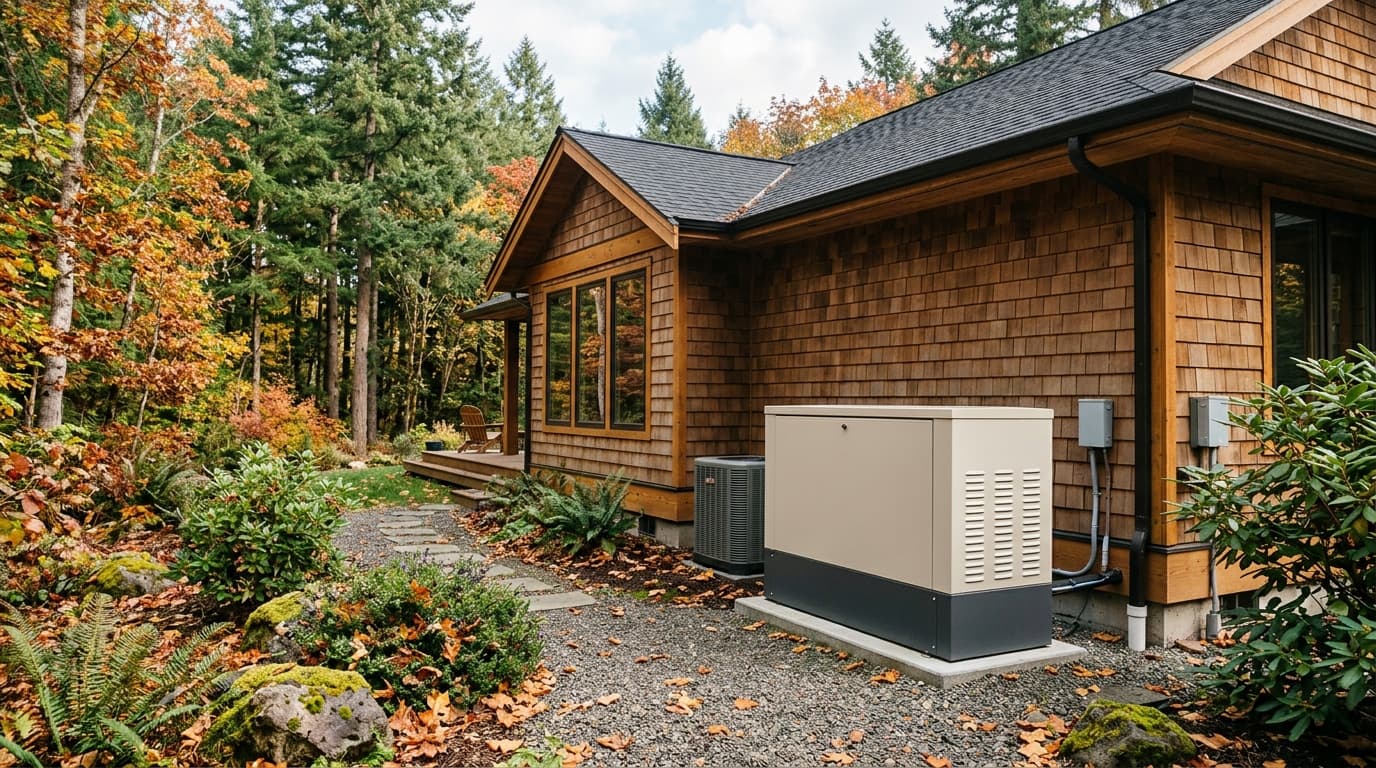
Many homeowners in the Inland Northwest rely on backup power to get through extended winter outages. However, integrating a whole house generator introduces its own set of electrical complexities.
When your home's automatic transfer switch (ATS) or manual transfer switch flips the power source from the utility grid to your backup generator, it creates a switching transient. Furthermore, portable generators can sometimes produce "dirty power" with minor voltage fluctuations. A whole-home surge protector smooths out these transients, ensuring that the transition between utility power and backup power does not accidentally fry the very appliances you are trying to keep running.
Licensed Surge Protection Help in Spokane and Coeur d'Alene from KT Electrical
KT Electrical Contractors is a licensed electrical contractor based in Spokane Valley, WA, providing whole house surge protection to homes and businesses in Spokane, Spokane Valley, Liberty Lake, Coeur d'Alene, Post Falls, and the surrounding region.
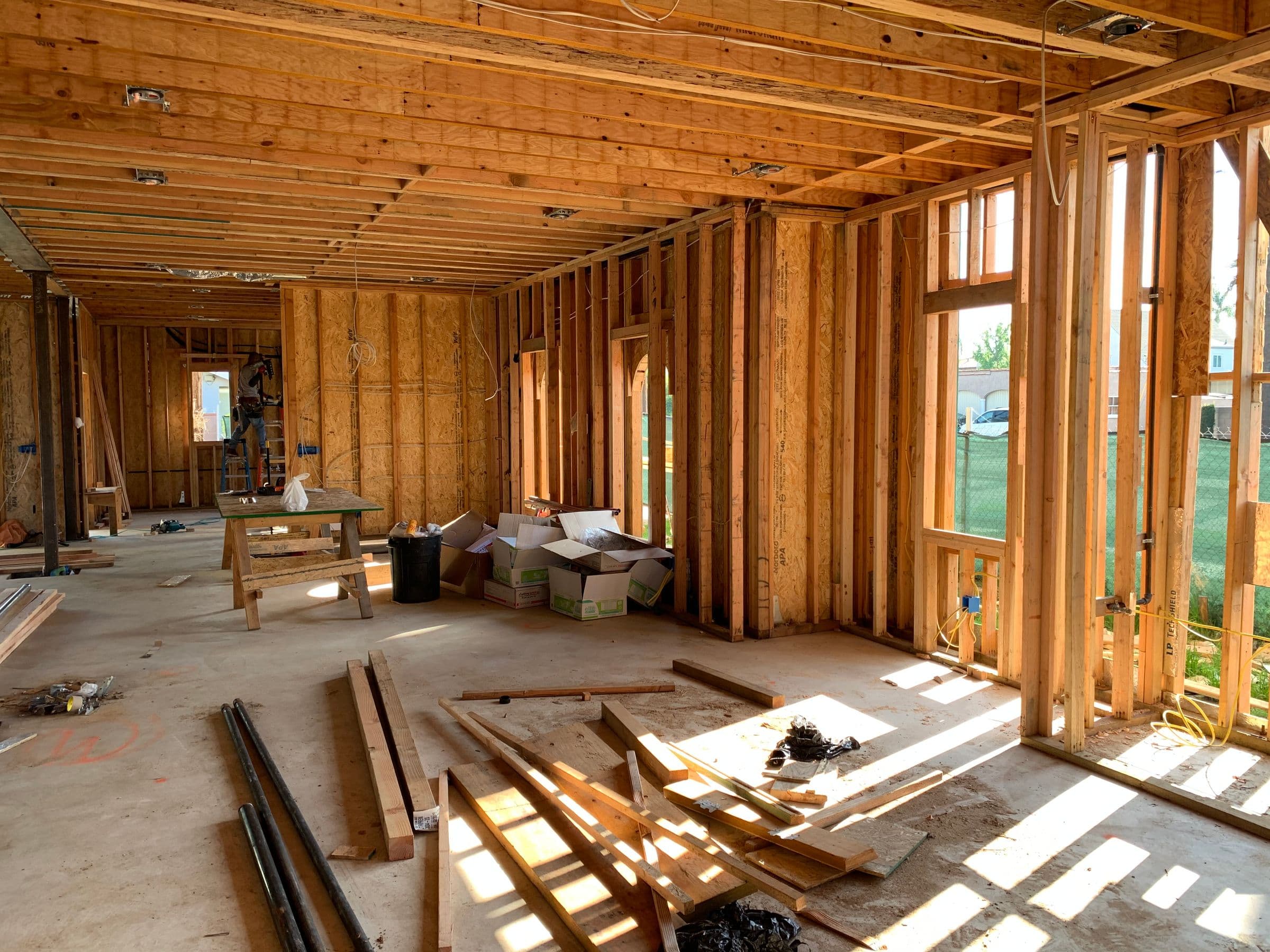
Because we are fully licensed on both sides of the Washington-Idaho state line, border-area projects do not require coordinating two different contractors. Whether you are upgrading an outdated panel in Spokane or building a new home in North Idaho, our team handles the residential, commercial, and new construction electrical work entirely in-house. We understand the local housing stock, the specific demands of our regional utilities, and the strict NEC requirements enforced by Washington L&I and Idaho DOPL. When you hire KT Electrical Contractors, we pull the correct permits, install the right Type 1 or Type 2 SPD for your specific electrical load, and ensure the work passes inspection flawlessly.
Ready to Protect Your Home's Electronics?
Power surges are unpredictable, but the damage they cause is entirely preventable. Do not wait for the next major windstorm or a failing appliance to realize the value of proper electrical defense. If you are still wondering if a whole house surge protector is worth it for your property, our team is here to help you evaluate your current panel and recommend the best code-compliant solution.
Call KT Electrical Contractors today at (509) 953-1186 or request a quote online to schedule your professional surge protection installation.
Frequently asked questions
Is a whole house surge protector worth it?
Yes, a whole house surge protector is highly worth the investment. For a fraction of the cost of replacing your home's appliances, it defends your entire electrical system from destructive external grid surges and internal voltage transients.
What is the difference between a surge strip and a panel-mounted surge protector?
A surge strip only protects the specific devices plugged into it and cannot handle large voltage spikes. A panel-mounted surge protector is hardwired at your main electrical panel, intercepting massive surges and protecting all hardwired appliances, including HVAC systems and EV chargers.
Does a power surge happen when electricity comes back on?
Yes. When utility companies restore power after an outage, the sudden re-energization of the grid causes a massive voltage spike known as a restoration surge. This surge can easily destroy the circuit boards of appliances that are plugged in and idling.
Is surge protection required by electrical code?
Yes. Under NEC 230.67, which has been adopted by both Washington and Idaho, a whole-home surge protective device must be installed whenever a dwelling's electrical service is replaced or upgraded.
Can a whole house surge protector protect against lightning?
While a whole-home SPD provides robust defense against indirect lightning strikes and grid fluctuations, no device can guarantee 100% protection against a direct lightning strike to your home. However, it significantly reduces the risk of catastrophic electrical fires and equipment loss.
KT Electrical serves:Electrician in Spokane, WAElectrician in Spokane Valley, WAElectrician in Liberty Lake, WAElectrician in Post Falls, IDElectrician in Coeur d'Alene, ID