Discover practical steps to protect your home during a winter blackout, from safely running a generator to preserving food and preventing electrical surges.
To know exactly how to prepare for a power outage, start by building an emergency kit with flashlights, batteries, and potable water, then register any life-support equipment with your local utility. When the grid fails, keep refrigerator doors closed to preserve food, unplug sensitive electronics to prevent restoration surges, and never run a portable generator indoors.
Winter storms in the Inland Northwest make proactive planning essential. Residents of Washington and North Idaho are all too familiar with the heavy wet snows and freezing rain that snap pine branches across overhead power lines. The historic November 2015 windstorm knocked out electricity for more than 180,000 utility customers across the region, with some rural properties waiting up to 11 days for full restoration. Whether you are facing a scheduled shutoff or a sudden winter blackout, knowing what to do when the power goes out protects your property, your plumbing, and your family.
What to Do Before the Power Goes Out (Preparation Checklist)
The best time to figure out how to prepare for a power outage is long before the wind starts howling. A solid winter power outage preparation Spokane checklist begins with the basics: maintaining a supply of non-perishable food, keeping a manual can opener handy, and storing at least one gallon of potable water per person per day. Water storage is especially critical for rural homeowners in Deer Park, Post Falls, and Rathdrum, where a loss of electricity means an immediate loss of pressurized well water and indoor plumbing.
If anyone in your household relies on oxygen concentrators, nebulizers, dialysis machines, or ventilators, advance preparation is a matter of survival. Avista Utilities offers a formal medical equipment registry program. Registering your life-support equipment ensures you receive prioritized automated weather warnings and notifications, giving you time to execute a personal evacuation plan before an extended blackout hits.
Finally, gather alternative lighting. Rely on battery-powered LED flashlights and lanterns rather than candles, which pose a severe fire hazard if knocked over in the dark. Keep extra batteries stocked and ensure your mobile devices are fully charged when severe weather is in the forecast.
How Long Will Food Last in the Refrigerator and Freezer During an Outage?
Food preservation is one of the most immediate concerns during a blackout. According to the American Red Cross, an unopened refrigerator will keep food cold and safe for approximately four hours. A half-full, unopened freezer will hold its temperature for up to 24 hours, while a tightly packed, unopened freezer can keep food frozen for up to 48 hours.
To maximize these timeframes, keep the doors closed as much as possible. Every time you open the refrigerator to check on your groceries, you release the trapped cold air. If you anticipate a multi-day outage and temperatures outside are consistently below freezing, you can move essential perishable items to a secure cooler placed in a shaded, animal-proof outdoor area.
Should I Unplug My Appliances and TV During a Power Outage?
Yes, you should unplug sensitive electronics, televisions, computers, and major appliances during an outage. While losing power abruptly is inconvenient, the real danger to your home's electronics occurs when the power comes back on. When multi-megawatt utility feeder lines re-energize simultaneously, it creates a massive inductive spike known as a restoration surge. This high-voltage surge can easily bypass basic power strips and fry the delicate circuit boards inside modern appliances.
Leave a single lamp turned on so you will know immediately when utility crews have restored service. Once the power is stable, you can safely plug your devices back in one by one. For permanent peace of mind, the National Electrical Code (NEC) now mandates surge protection for new and replaced electrical services. Installing Surge Protection directly at your main panel intercepts these massive grid spikes before they ever reach your home's internal wiring.
How Do I Keep My House Warm Without Power?
To keep house warm without power, start by trapping the heat you already have. Close all blinds, curtains, and shades to add an extra layer of insulation against cold window glass. Stuff towels or draft blockers under exterior doors, and gather your household into a single, central room—preferably one on the south side of the house that receives daytime sunlight. Body heat will help keep a smaller, enclosed space comfortable.
Many homeowners mistakenly assume their natural gas furnace will continue to heat the house during a blackout. However, modern gas furnaces rely on electric blower motors to distribute the heated air and electronic ignition systems to light the burners. Without electricity, your central heating system will not run. If you use a wood stove or a fireplace, ensure the chimney is clean and the flue is open. Never use outdoor gas heaters, camp stoves, or charcoal grills indoors, as they produce lethal carbon monoxide.
How Far Away Does a Generator Need to Be From the House?
A portable generator must operate outdoors and be placed at least 20 feet away from your home, including all doors, windows, and soffit vents. Carbon monoxide (CO) poisoning is a silent, deadly threat during winter storms. The Centers for Disease Control and Prevention notes that post-storm portable generator misuse inside garages, breezeways, or too close to windows is a leading cause of unintentional CO fatalities.
Always point the generator's exhaust away from your home and your neighbors' homes. Ensure you have working, battery-operated carbon monoxide detectors installed on every level of your house and outside all sleeping areas. Never run a generator in a wet environment without proper overhead canopy protection, as water and electricity are a lethal combination.
Can I Plug a Generator Directly Into a Wall Outlet?
No, you must never plug a portable generator directly into a wall outlet. This illegal practice, known as "backfeeding," uses a hazardous male-to-male extension cord to push generator power backward through your home's electrical circuits. Backfeeding sends electricity out of your house, through the utility meter, and into the neighborhood transformers, where it is stepped up to thousands of volts. This creates a deadly electrocution hazard for the utility linemen working tirelessly to restore your power.
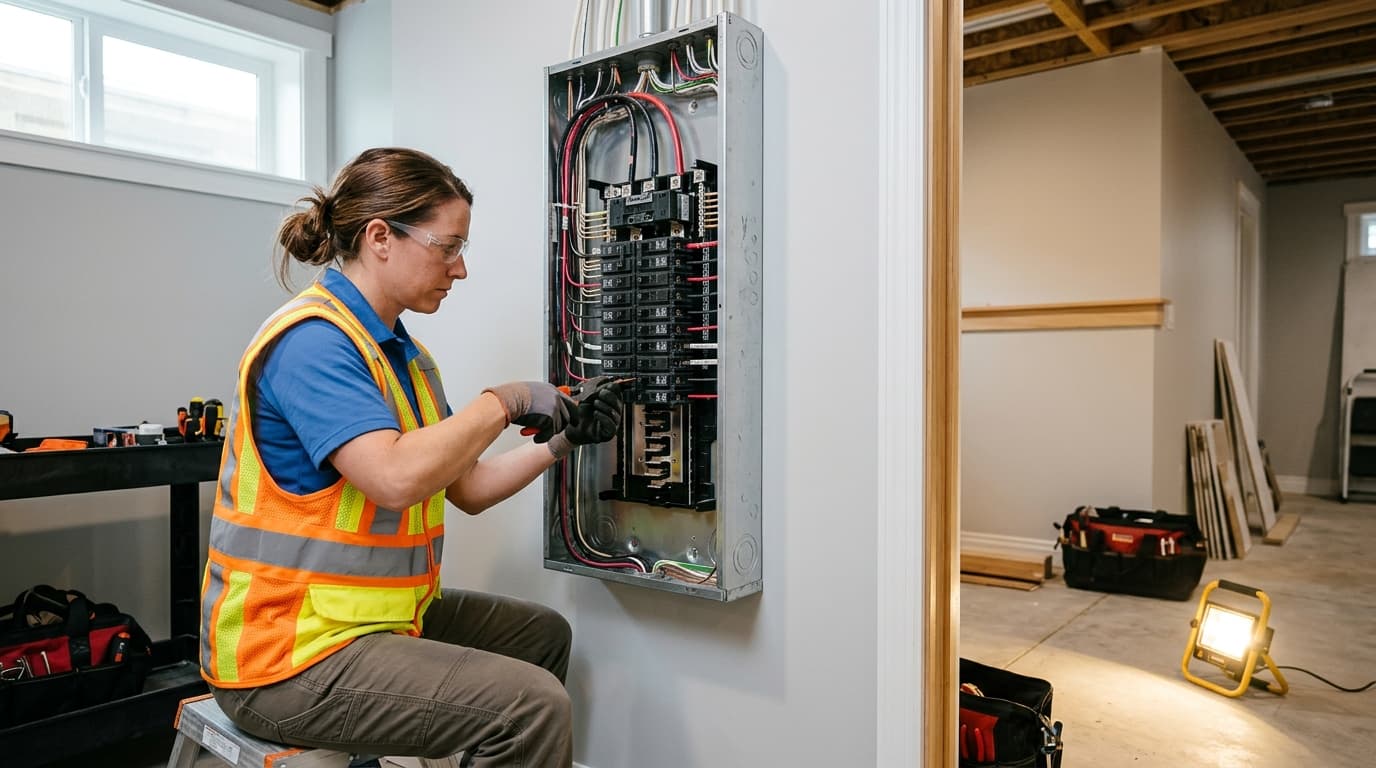
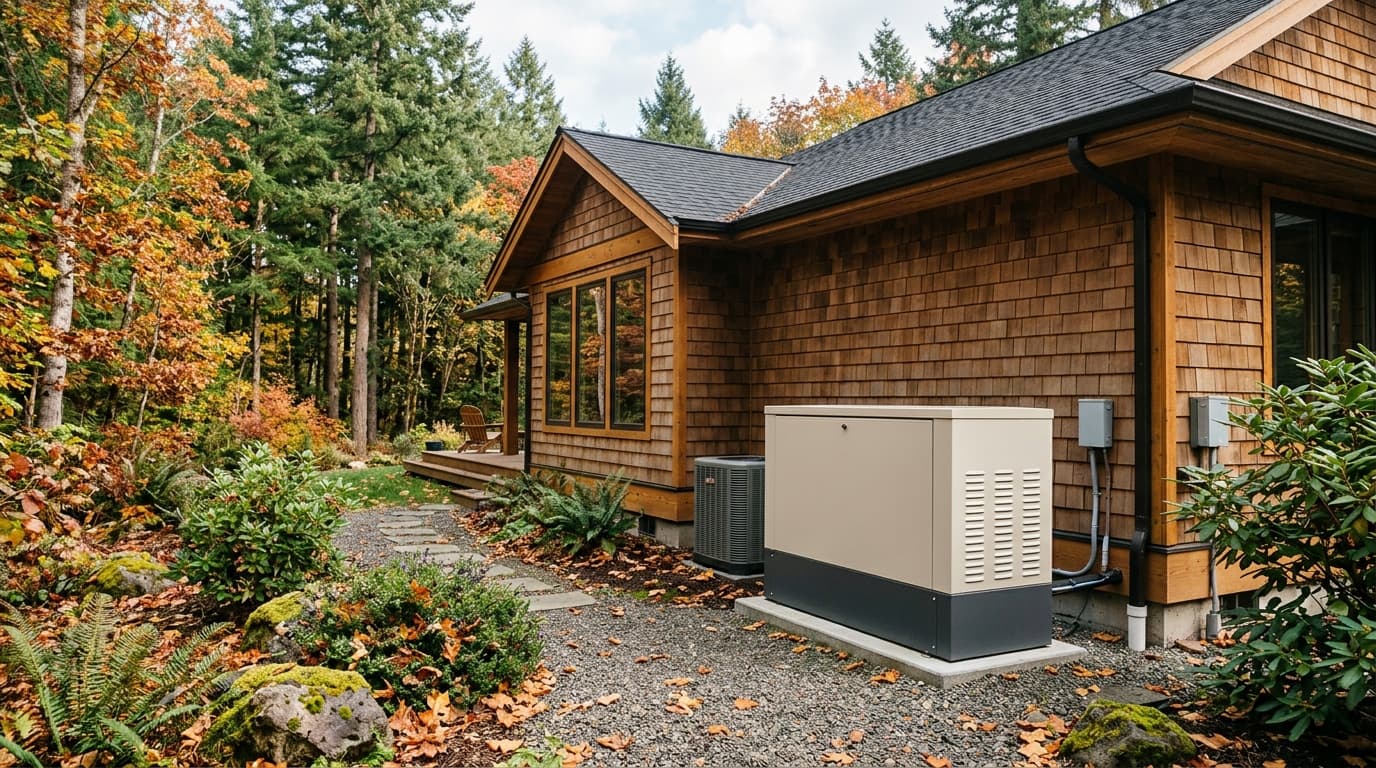
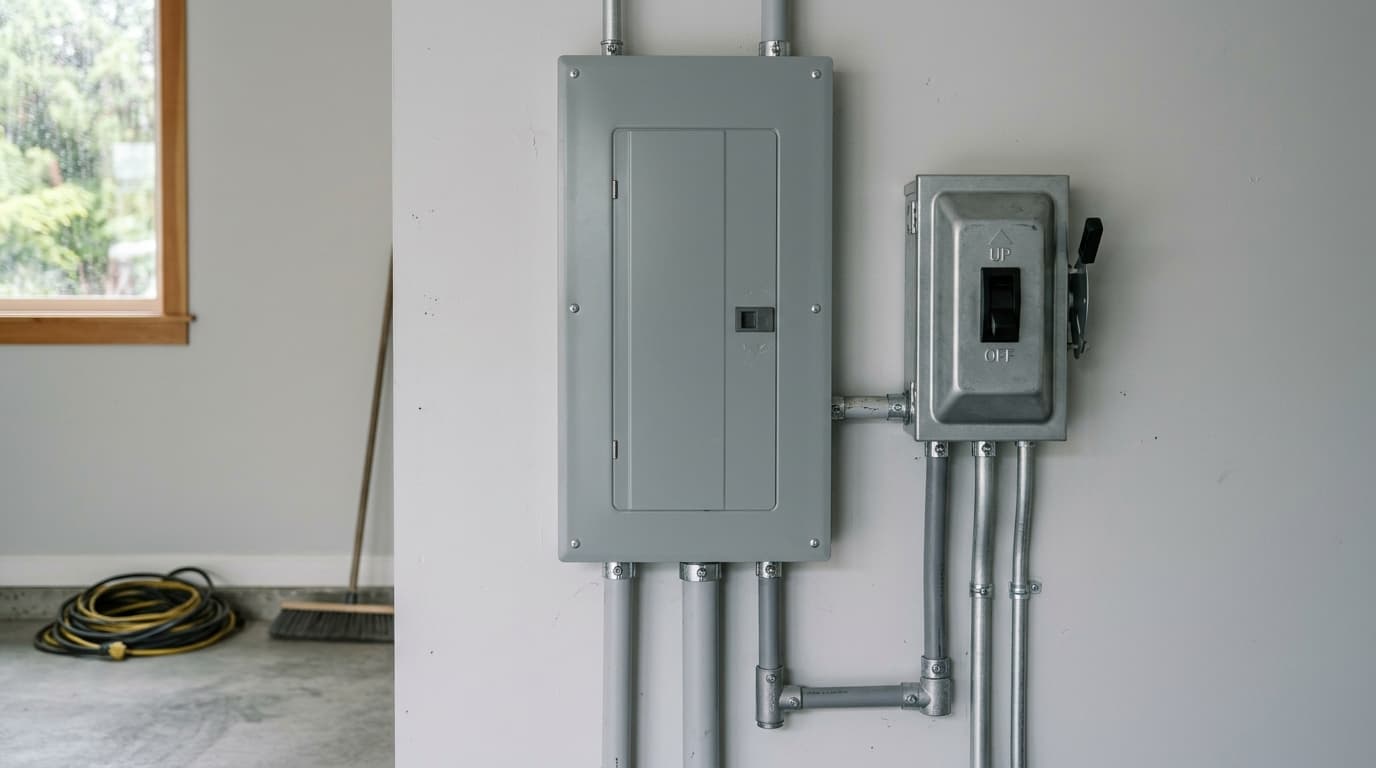
The only safe and legal way to connect backup power to your home's wiring is through a code-compliant manual transfer switch or an interlock kit installed on your Electrical Panels. These devices physically isolate your home from the utility grid, ensuring power flows only to your designated circuits. If you want seamless, automatic protection without dragging cords through the snow, consider a permanently installed Whole House Generator.
Utility Outage Map & Reporting Guide
Knowing how to report an outage and track restoration times is a vital part of your power outage checklist. The Inland Northwest is served by several different electric utilities and cooperatives. Knowing which utility serves your address dictates where you find your outage map and report downed lines.
| Utility Provider | Service Area Examples | What to Do When the Power Goes Out |
|---|---|---|
| Avista Utilities | Spokane, Spokane Valley, Coeur d'Alene | Check the Avista outage map online or call their emergency line. Register medical devices in advance. |
| Inland Power & Light | Rural Spokane County, Deer Park, Cheney | Check the Inland Power outage map. Prepare for potential well pump and septic pump disruptions. |
| Kootenai Electric (KEC) | Rural Kootenai County, Hayden, Rathdrum | Check the Kootenai Electric outage map. Keep access roads clear for utility trucks. |
Licensed Generator and Transfer Switch Help in Spokane and North Idaho from KT Electrical
KT Electrical Contractors is a licensed electrical contractor based in Spokane Valley, WA, providing code-compliant generator connections and transfer switch installations to homes and businesses in Spokane, Coeur d'Alene, and surrounding towns. When you are figuring out how to prepare for a power outage, relying on professional installation ensures your backup system is safe, legal, and ready for the next winter storm.
Because we are licensed as one contractor on both sides of the Washington-Idaho state line, border-area projects do not require hiring multiple companies. Whether you need a simple interlock kit installed in Spokane, WA or a complete standby generator system in Coeur d'Alene, ID, our in-house team handles the entire process. We pull the required permits through Washington L&I or the Idaho DOPL, ensuring the work passes inspection and operates safely without putting utility crews at risk.
Key Takeaways
- Build an emergency kit with flashlights, batteries, and one gallon of water per person per day.
- Register critical life-support medical equipment with Avista or your local utility cooperative.
- Keep refrigerator and freezer doors closed; an unopened fridge keeps food safe for up to four hours.
- Unplug sensitive electronics and major appliances to protect them from high-voltage restoration surges.
- Run portable generators at least 20 feet away from the house to prevent carbon monoxide poisoning.
- Never backfeed a generator into a wall outlet; always use a licensed electrician to install a proper transfer switch.
Ready to Upgrade Your Home's Power Resilience?
Winter storms in the Inland Northwest are inevitable, but shivering in the dark is optional. From installing interlock kits and manual transfer switches to integrating whole-home surge protection, preparing your electrical system ahead of time is the smartest investment a homeowner can make. Do not wait until the next major windstorm leaves your neighborhood in the dark. Call KT Electrical Contractors at (509) 953-1186 or request a quote today to ensure your home is ready for whatever winter brings.
Frequently asked questions
How do I keep my house warm during a winter power outage without electricity?
To keep your house warm, close all blinds and curtains to insulate windows, block drafts under doors with towels, and gather your family in a single, central room. Do not use outdoor gas heaters or camp stoves indoors, as they create a deadly carbon monoxide hazard.
How long will food last in the refrigerator and freezer during an outage?
If you keep the doors closed, an unopened refrigerator will keep food safe for about four hours. A half-full freezer holds its temperature for up to 24 hours, while a fully packed freezer can stay frozen for up to 48 hours.
Should I unplug my appliances and TV during a power outage?
Yes, you should unplug sensitive electronics, televisions, and major appliances during a blackout. This protects them from massive, high-voltage restoration surges that occur when utility companies re-energize the neighborhood power grid.
How far away does a generator need to be from the house?
A portable generator must be operated outdoors and placed at least 20 feet away from your home, including all doors, windows, and soffit vents. This distance is critical to prevent lethal carbon monoxide exhaust from entering your living space.
Can I plug a generator directly into a wall outlet to power my house?
No, plugging a generator into a wall outlet is called backfeeding, which is illegal and incredibly dangerous. It pushes high-voltage electricity backward into the utility lines, creating a lethal electrocution risk for the line crews working to restore your power.
KT Electrical serves:Electrician in Spokane, WAElectrician in Spokane Valley, WAElectrician in Cheney, WAElectrician in Deer Park, WAElectrician in Post Falls, IDElectrician in Coeur d'Alene, IDElectrician in Hayden, IDElectrician in Rathdrum, ID