
Deciding between a portable and standby generator? Compare convenience, power capacity, and cold-weather reliability to find the right backup power for your Inland Northwest home.
When deciding between a portable generator vs standby generator, the choice comes down to convenience, budget, and power capacity. A portable generator provides manual, cost-effective backup power for essential household circuits. In contrast, a standby generator automatically restores power to your entire home—including heavy 240V loads like well pumps and electric furnaces—within seconds, without you ever having to brave the winter weather.
For homeowners in Spokane and North Idaho, winter power outages often arrive alongside sub-freezing temperatures, heavy snow, and severe windstorms. Navigating these conditions makes backup power a necessity rather than a luxury. This guide breaks down the real-world differences between portable and whole-home standby generators, how they handle Inland Northwest winters, and the safe, code-compliant ways to connect them to your home's electrical panel.
Portable vs Standby Generator: The Short Answer
Understanding the fundamental operational differences is the first step in choosing the best backup power for your home. Here is a side-by-side look at how these two systems compare.
| Feature | Portable Generator | Standby Generator |
|---|---|---|
| Operation | Manual setup, pull-start or push-button, manual transfer. | Fully automatic starting and power transfer. |
| Response Time | 15 to 30 minutes (depending on setup time). | 10 to 20 seconds. |
| Power Capacity | Typically 3,000 to 12,000 watts (essential circuits). | 10,000 to 26,000+ watts (whole-home capability). |
| Fuel Source | Gasoline, liquid propane tanks, or dual-fuel. | Continuous natural gas line or bulk on-site propane. |
| Connection | Extension cords or manual interlock kit / inlet box. | Automatic Transfer Switch (ATS). |
What Can Each Generator Power?
One of the most common questions homeowners ask is, "Can a portable generator power my house?" The answer depends entirely on your electrical load and the specific appliances you need to keep running during an outage.
Essential Circuits vs. Whole-Home Power
A standard portable generator usually produces between 5,000 and 10,000 watts of power. This is generally sufficient to run a refrigerator, a few lighting circuits, a Wi-Fi router, and perhaps a small space heater or a gas furnace blower motor. However, a portable unit will quickly overload if you attempt to run multiple high-draw appliances simultaneously.
A whole-home standby generator is sized to carry significantly larger loads. Ranging up to 24kW or more, these permanent units can comfortably power central air conditioning, electric ranges, heat pumps, and electric water heaters, allowing your family to maintain a completely normal daily routine during an extended blackout.
The Challenge of 240V Well Pumps
For acreage properties in North Idaho and outer Spokane County—such as those in Deer Park, Post Falls, and Rathdrum—water relies on 240V submersible well pumps. These pumps require a massive surge of electricity to start, known as Locked Rotor Amps (LRA). A portable generator often lacks the surge capacity to start a deep-well pump, causing the generator's breaker to trip. A properly sized standby generator has the required electrical muscle to handle these inductive starting surges, ensuring your pipes do not freeze and your home retains running water.
Fuel Logistics in Sub-Freezing Weather
It is easy to test a generator on a sunny afternoon in July. It is a completely different experience trying to restore power during a 15°F January ice storm. The logistics of fueling and starting your generator dictate how reliable your backup power will actually be.
Running a Portable Generator in the Cold
Portable generators rely on fresh gasoline or standard 20-pound propane tanks. Gasoline requires careful storage and the addition of fuel stabilizers to prevent the carburetor from varnishing. During a winter outage, operating a portable generator means wheeling the heavy unit through the snow, pulling a cold, stiff starter cord, and potentially refilling the gas tank in the dark while the engine is hot.
Furthermore, standard liquid propane loses vapor pressure in sub-zero temperatures. If you rely on a dual-fuel portable generator running on standard BBQ propane tanks, you may find the generator struggles to run smoothly—or fails to start at all—during a severe Inland Northwest cold snap.
The Standby Advantage: Continuous Fuel
Standby generators eliminate fuel handling entirely. They are hardwired into your home's electrical panel and plumbed directly into your municipal natural gas meter or a large, buried bulk propane tank. Because the fuel supply is continuous, the generator can run for days or weeks without human intervention. Additionally, standby generators installed in cold climates are equipped with cold-weather kits—including battery warmers and oil block heaters—ensuring the engine cranks immediately, even when temperatures drop below zero.
Connection Options: Interlock Kits vs. Transfer Switches
How you connect the generator to your home is just as important as the generator itself. Connecting a generator directly to your electrical system without approved transfer equipment is highly dangerous and illegal.
Generator Power Inlet Boxes and Interlock Kits
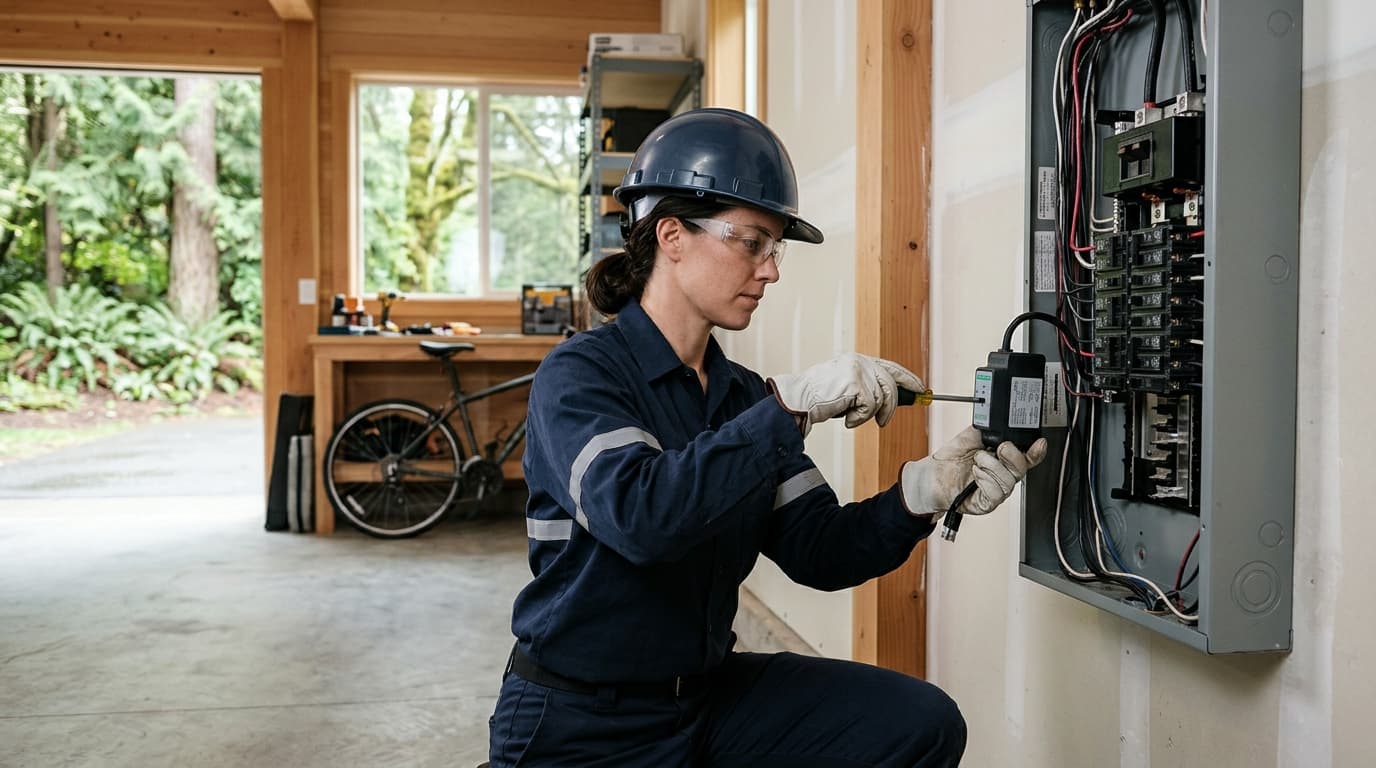
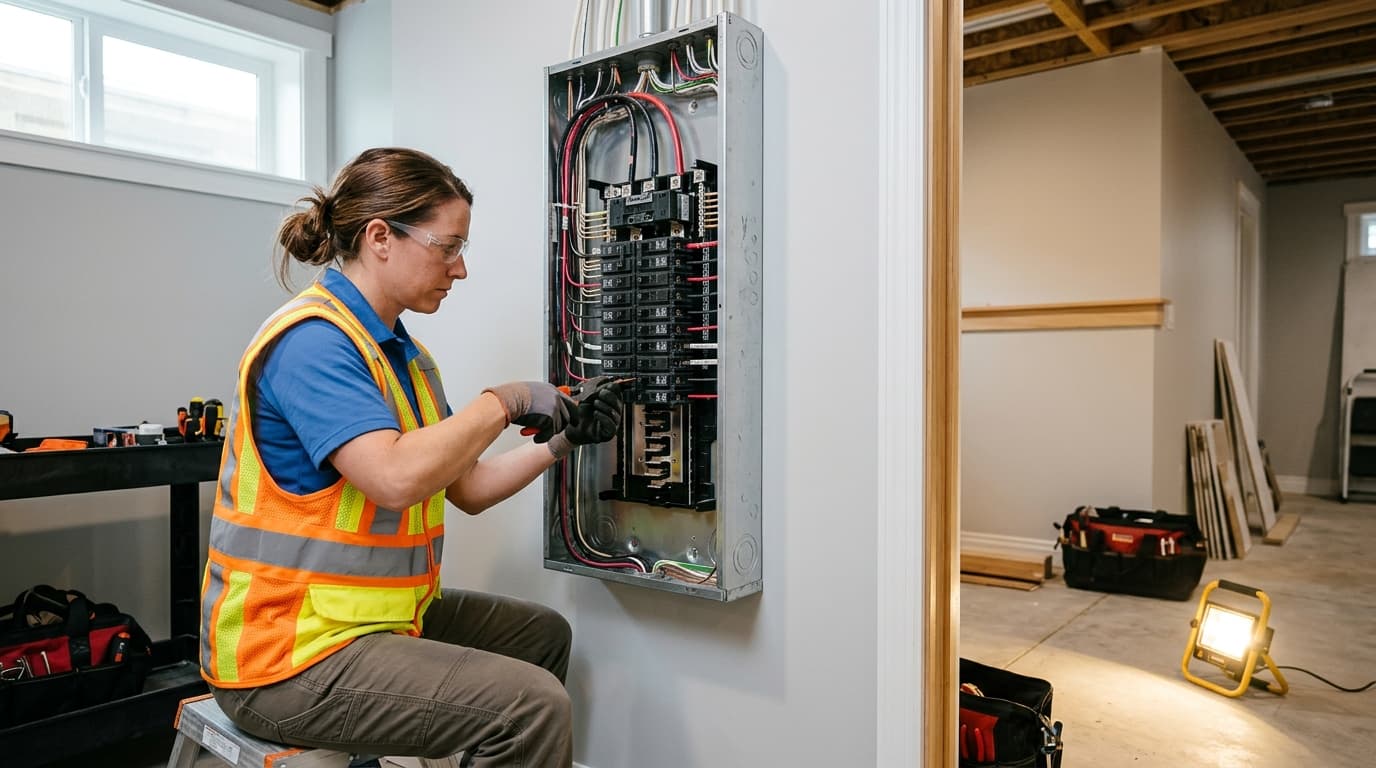
To safely use a portable generator to power hardwired home circuits (like your furnace or kitchen lights), a licensed electrician must install a generator power inlet box on the exterior of your home. This inlet is wired to a dedicated breaker inside your main electrical panel.
To meet the National Electrical Code (NEC), this setup requires a mechanical generator interlock kit. The interlock is a custom-fitted metal plate that physically prevents the main utility breaker and the generator breaker from being turned on at the same time. Homeowners must manually turn off the main breaker, slide the interlock plate, and then turn on the generator breaker. This isolates your home from the utility grid.
Automatic Transfer Switches (ATS)
Standby generators utilize an Automatic Transfer Switch (ATS). The ATS constantly monitors the voltage coming from the utility grid. The moment it detects a power failure, it commands the generator engine to start. Once the generator is running at full speed, the ATS automatically disconnects your home from the grid and connects it to the generator power. When utility power is restored, the ATS switches back and commands the generator to shut down. The entire process takes less than 20 seconds and requires zero manual effort.
Safety First: Carbon Monoxide and Backfeeding Risks
Backup power involves generating electricity and burning fossil fuels near your home. Adhering to strict safety protocols and local codes is non-negotiable.
Preventing Carbon Monoxide Poisoning
Portable generators produce immense amounts of carbon monoxide (CO)—often equivalent to the exhaust of hundreds of idling cars. The U.S. Consumer Product Safety Commission mandates that portable generators must only be operated outdoors, at least 20 feet away from all doors, windows, and fresh air intakes, with the exhaust pointing away from the structure. Never run a portable generator in a garage, even with the door open.
Standby generators are housed in weather-resistant, sound-attenuated enclosures. According to NFPA 37 standards, stationary standby generators can be installed closer to the home (often 18 inches to 5 feet, depending on fire ratings and local building codes), provided they are placed safely away from operable windows and air intakes.
The Danger of Backfeeding
Backfeeding occurs when a generator pushes electricity backward through your electrical panel, through your utility meter, and out into the neighborhood power lines. This happens when homeowners illegally plug a generator into a dryer outlet or fail to use an approved transfer switch or interlock kit.
Backfeeding is incredibly dangerous. It transforms the low voltage from your generator back into thousands of volts as it passes through the utility transformers on the street. This can electrocute utility repair crews working to restore power. Regional utility providers, including Avista Utilities and Kootenai Electric Cooperative, strictly prohibit any unapproved generator connections to protect their line workers.
Licensed Generator Installation in Spokane from KT Electrical
KT Electrical Contractors is a licensed electrical contractor based in Spokane Valley, WA, providing generator transfer switches and whole-home standby installations to homes and businesses in Spokane, Coeur d'Alene, and the surrounding region. Whether you are looking to install a manual interlock kit for a portable unit or need a comprehensive whole house generator system, our team handles the entire process in-house.
Because we are licensed in both Washington and Idaho, border-area projects do not require multiple contractors. We coordinate directly with local jurisdictions—from Washington L&I to the Idaho DOPL—to ensure all electrical permits are pulled and every installation passes inspection. We also ensure your setup complies with local utility anti-backfeeding regulations, keeping your home safe and the grid secure.
Key Takeaways
- Convenience vs. Cost: Portable generators offer an affordable, manual solution for essential circuits, while standby generators provide seamless, automatic power for the whole home.
- Cold Weather Performance: Standby generators connected to natural gas with cold-weather kits are vastly more reliable in sub-zero Inland Northwest winters than pull-start gasoline portables.
- Heavy Electrical Loads: Powering 240V appliances like deep-well pumps and electric furnaces usually requires the higher capacity and starting surge capabilities of a standby generator.
- Safe Connections: Never backfeed your panel. Portable generators require a professionally installed inlet box and interlock kit, while standby generators use an Automatic Transfer Switch (ATS).
- Professional Installation: Generator connections require electrical permits, code-compliant equipment, and adherence to utility safety standards to protect utility workers and your property.
Ready to Secure Your Backup Power?
Don't wait until the next major winter windstorm leaves your home in the dark and cold. Whether you need a secure manual transfer switch for a portable unit or are ready to invest in the automatic peace of mind of a standby generator, our licensed electricians are here to help. Contact KT Electrical Contractors today at (509) 953-1186 to request a quote and ensure your home is prepared for whatever the Inland Northwest weather brings.
Frequently asked questions
Can a portable generator run my entire house and central heat?
Generally, no. A standard portable generator does not have the wattage or surge capacity to power heavy 240V loads like central electric heat or large well pumps. They are best suited for essential 120V circuits like refrigerators, lights, and routers.
What is the difference between a generator interlock kit and an automatic transfer switch?
An interlock kit is a manual mechanical device that forces you to physically turn off your main utility breaker before turning on the generator breaker. An automatic transfer switch (ATS) detects a power outage, starts a standby generator, and switches the power source automatically without human intervention.
How far does a portable generator need to be placed from a home to prevent CO poisoning?
Safety guidelines mandate that portable generators must be operated outdoors at least 20 feet away from all doors, windows, and vents. The exhaust must also be pointed away from the structure to prevent deadly carbon monoxide from entering the home.
What happens if a generator backfeeds into the power lines?
If a generator is connected without an approved transfer switch or interlock, it pushes electricity backward into the utility grid. This steps up the voltage, creating a lethal hazard for utility workers attempting to repair downed power lines.
Do I need an electrical permit to install a generator inlet plug or transfer switch?
Yes. In both Washington and Idaho, installing any permanent electrical equipment, including generator inlet boxes, manual transfer switches, or automatic transfer switches, requires an electrical permit and a professional inspection to ensure compliance with the National Electrical Code.
KT Electrical serves:Electrician in Spokane, WAElectrician in Spokane Valley, WAElectrician in Deer Park, WAElectrician in Post Falls, IDElectrician in Coeur d'Alene, IDElectrician in Rathdrum, ID